



Nepal: The Roof of the World
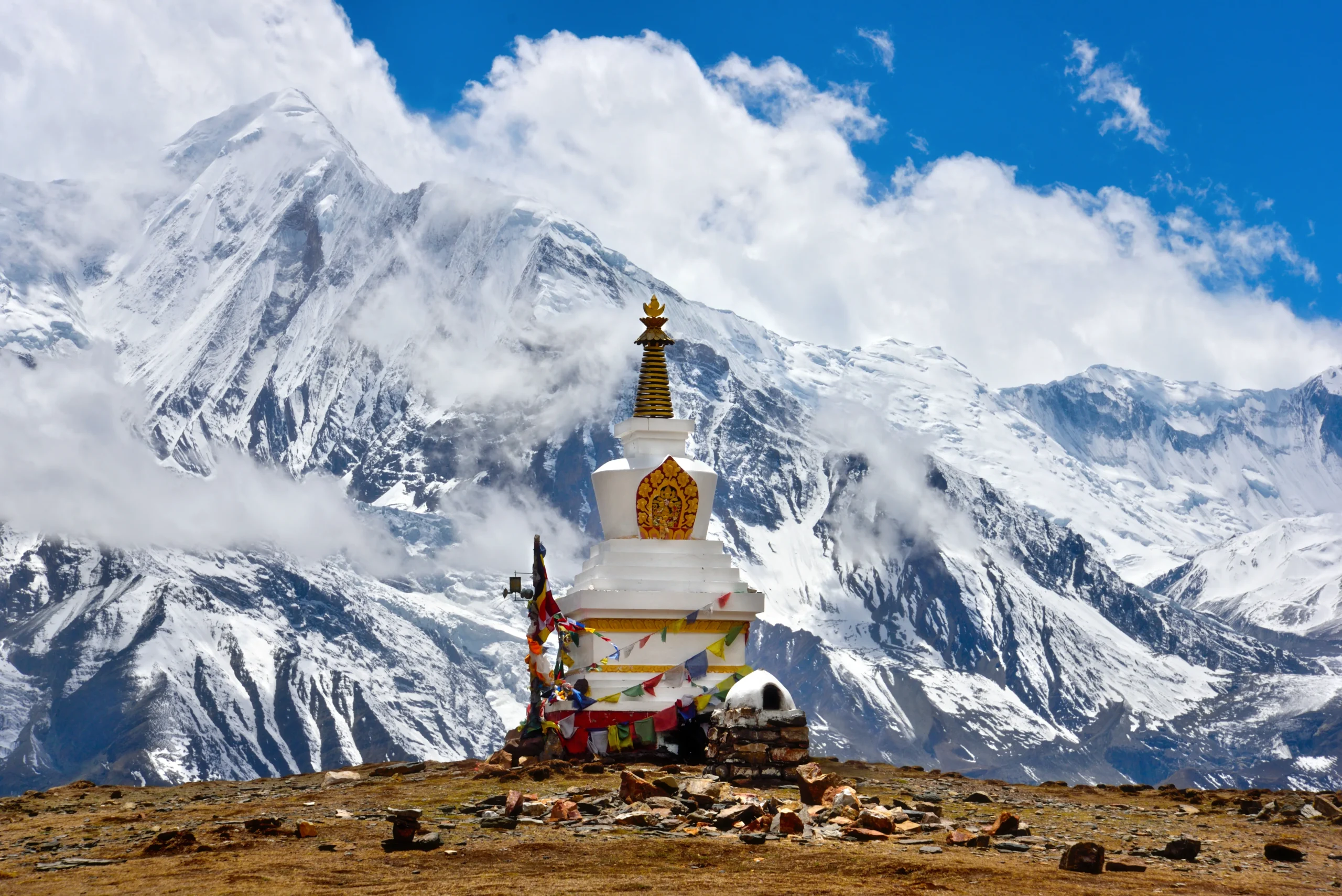
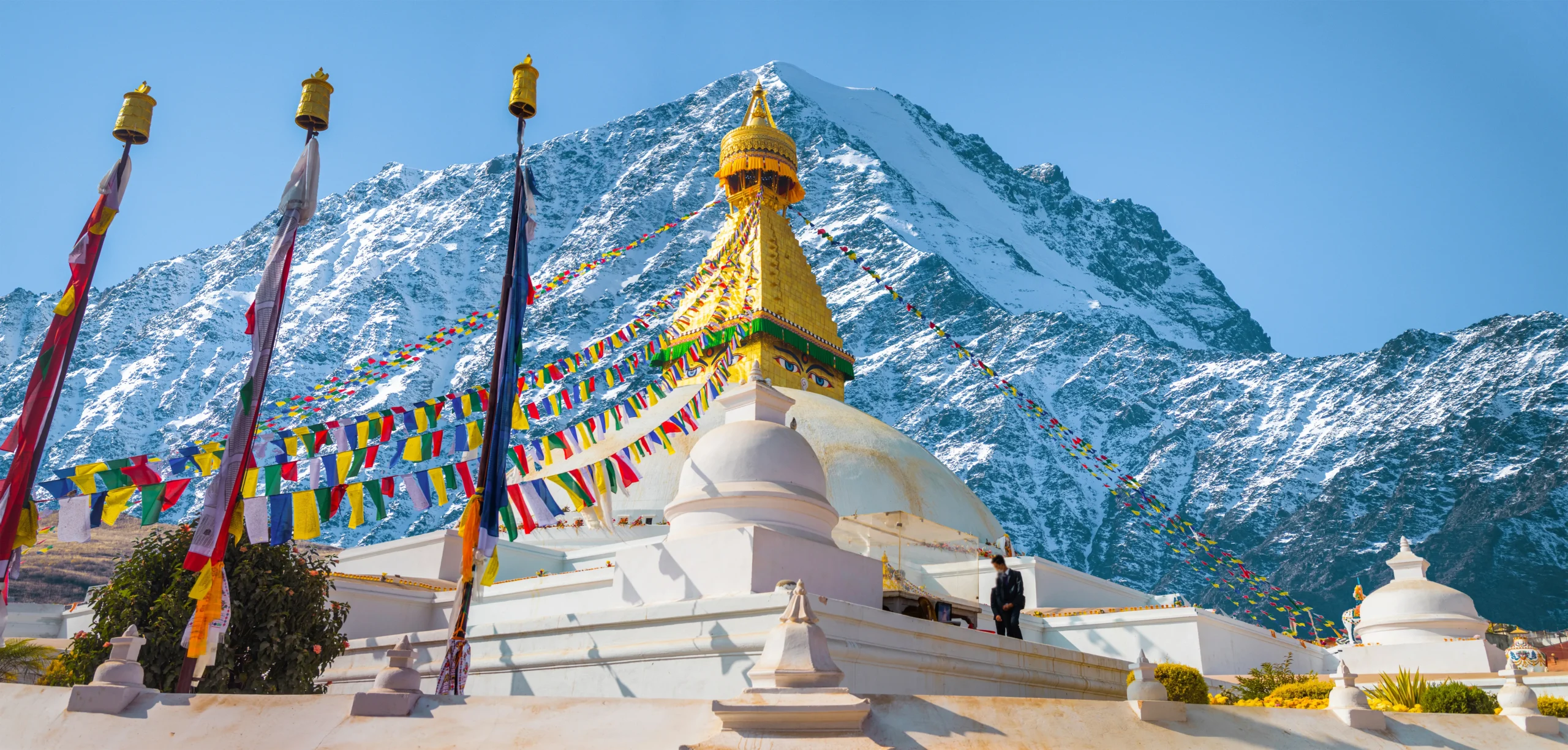
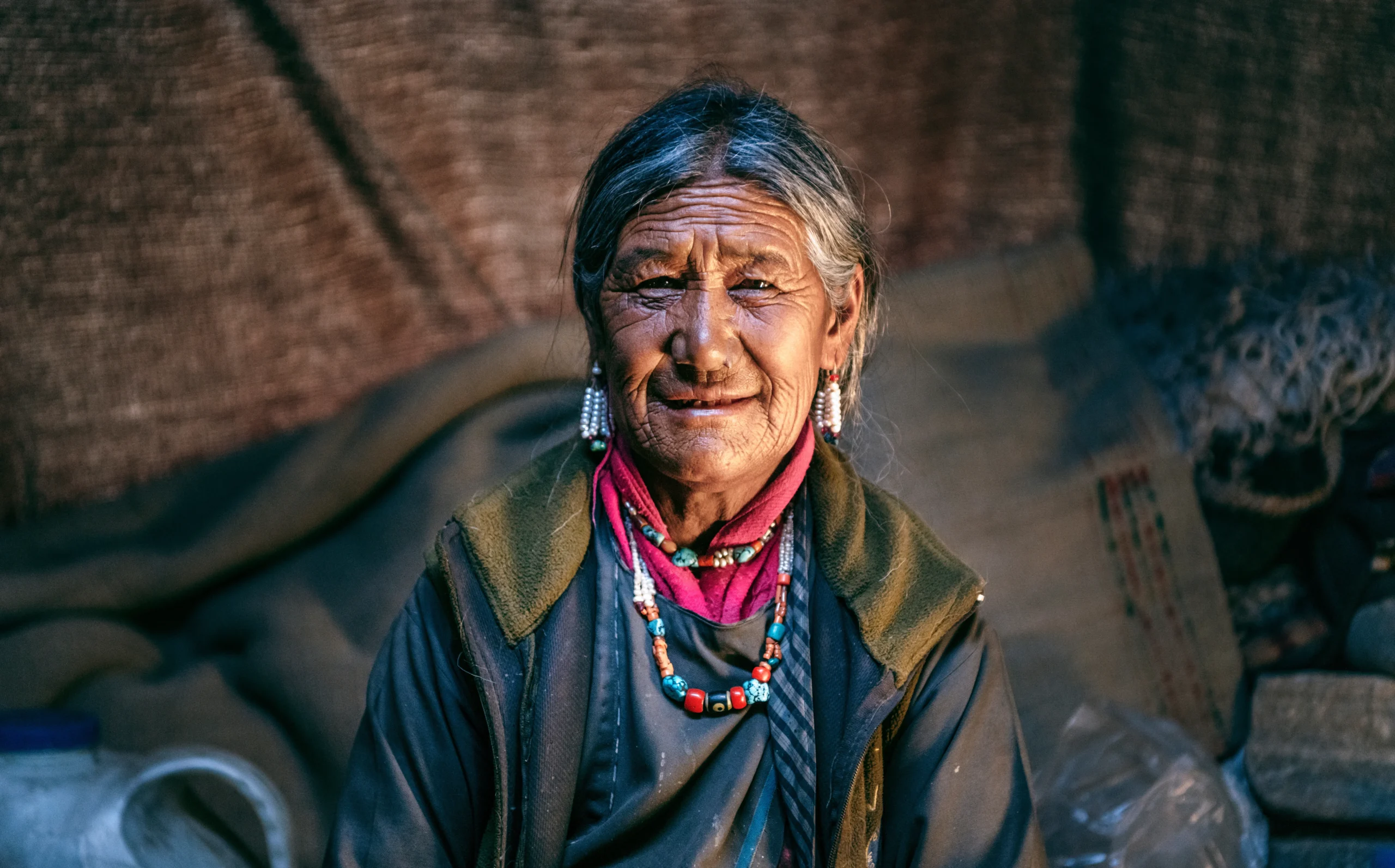
Nepal is a land of spiritual majesty, where the awe-inspiring Himalayas meet a deep-rooted cultural and spiritual heritage. It is a place that captivates with its natural grandeur and inspires with its profound human stories. We craft journeys that go beyond the ordinary, allowing your clients to discover ancient kingdoms, witness breathtaking mountain vistas, and forge a deep, personal connection with a land revered as the spiritual heart of the world.
Nepal: A Premier Wildlife Destination
A Premier Wildlife Destination!
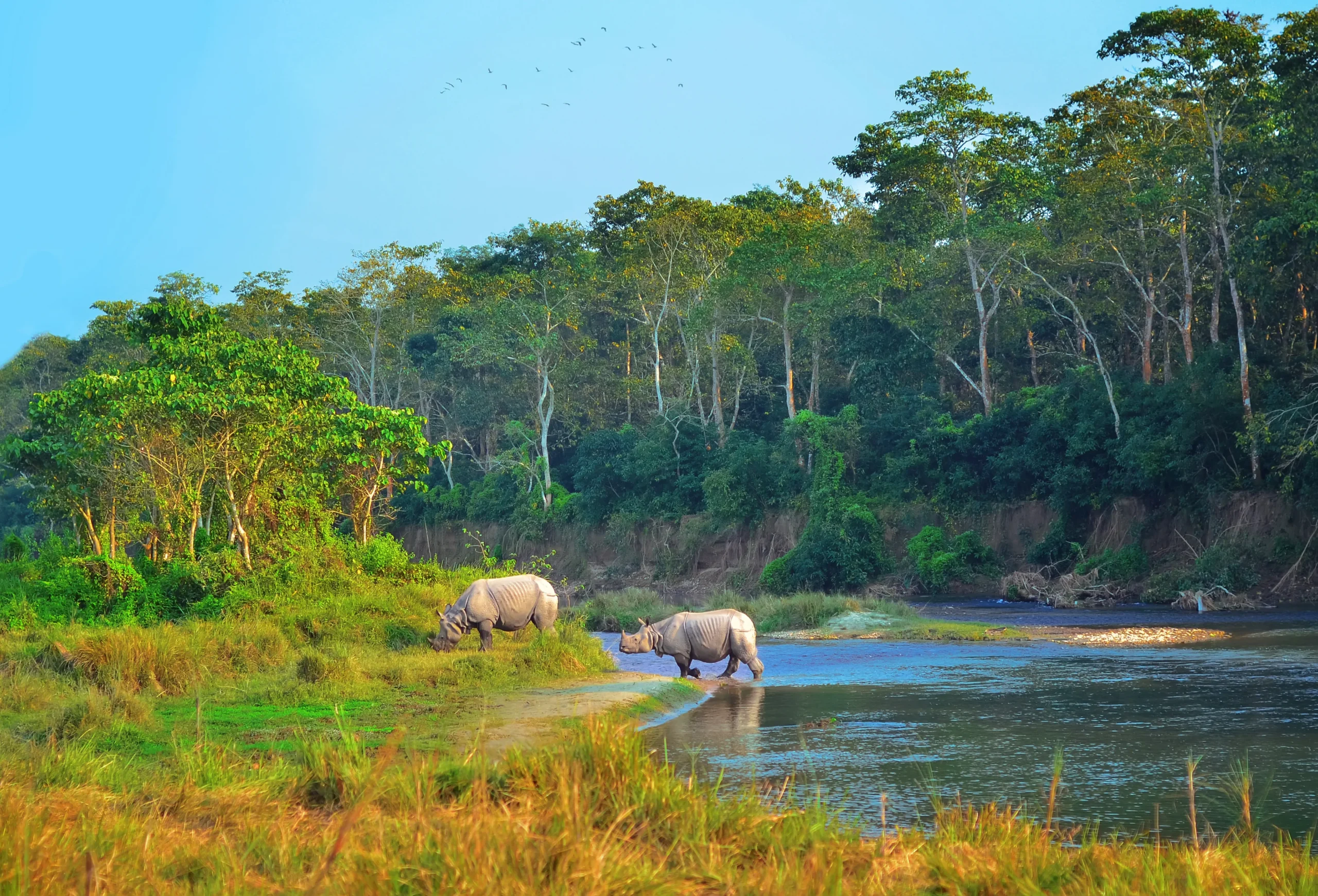
Nepal’s incredible biodiversity is a testament to its dramatic landscape, which spans from the world’s highest peaks to its subtropical jungles. The country is not just a destination for spiritual and mountain adventures—it is a sanctuary for a stunning variety of flora and fauna. This incredible diversity is best experienced in the nation’s world-renowned parks and reserves.
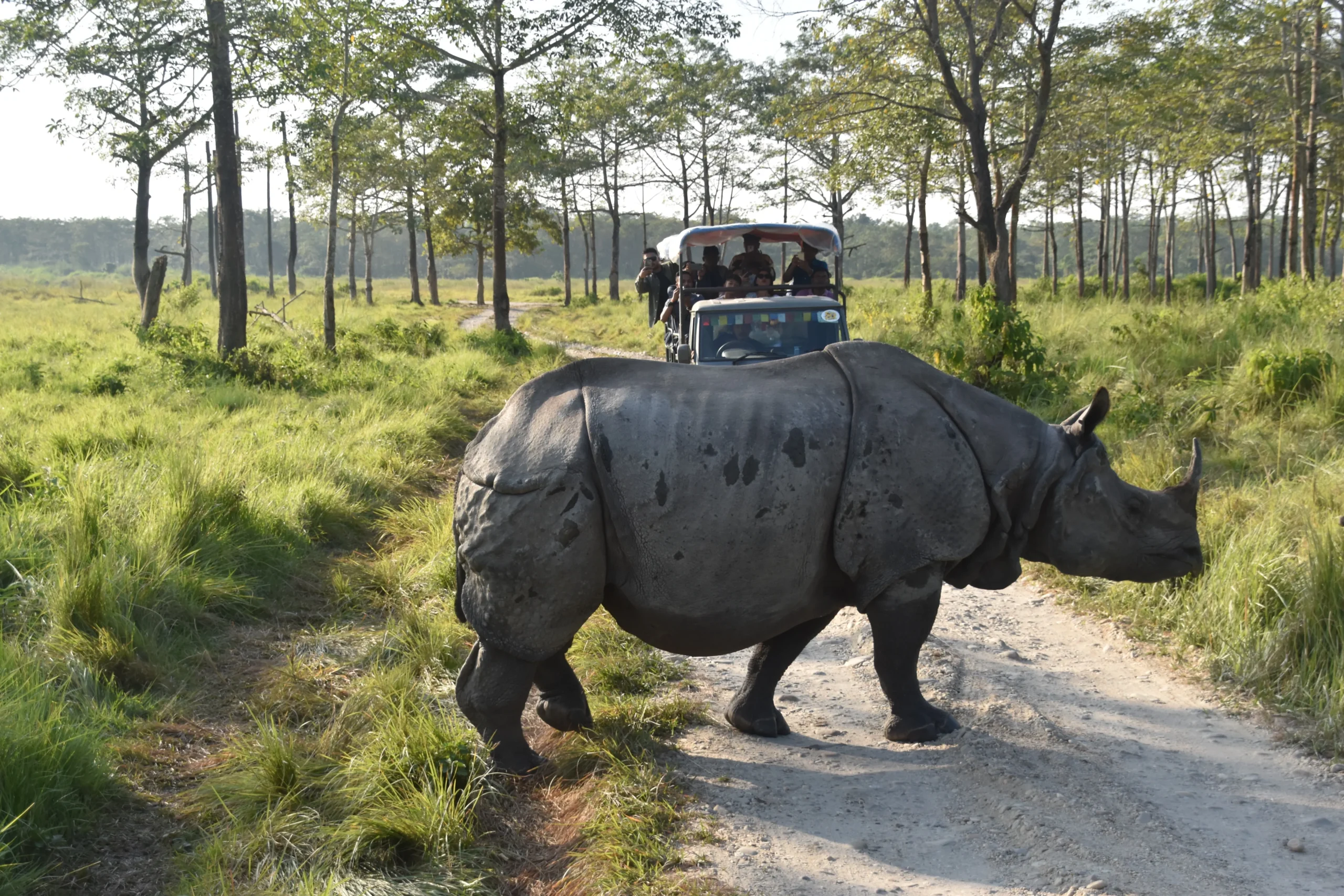
In Chitwan National Park, the most accessible park in Nepal, clients have a great chance to see the endangered One-Horned Rhinoceros and the elusive Bengal Tiger. For a more remote and pristine experience, Bardiya National Park offers some of the best opportunities for spotting the Bengal Tiger in the wild. The country is also a spectacular birdwatching destination, with Koshi Tappu Wildlife Reserve being home to over 450 species and the last remaining herd of wild water buffalo. At high altitudes, Sagarmatha National Park is a key habitat for the Snow Leopard, the Himalayan Tahr, and a number of high-altitude bird species.
This unparalleled wealth of life includes:
- 208 species of mammals, including the Bengal Tiger, One-Horned Rhinoceros, and the elusive Snow Leopard.
- More than 880 species of birds, making it a paradise for birdwatchers.
- A large population of endemic species, a testament to the country’s diverse and unique ecosystems.
This magnificent variety of life, combined with our expert guidance, ensures a wildlife experience unlike any other.
Regions: Know More About Nepal!
Kathmandu Valley:
Ancient Heritage
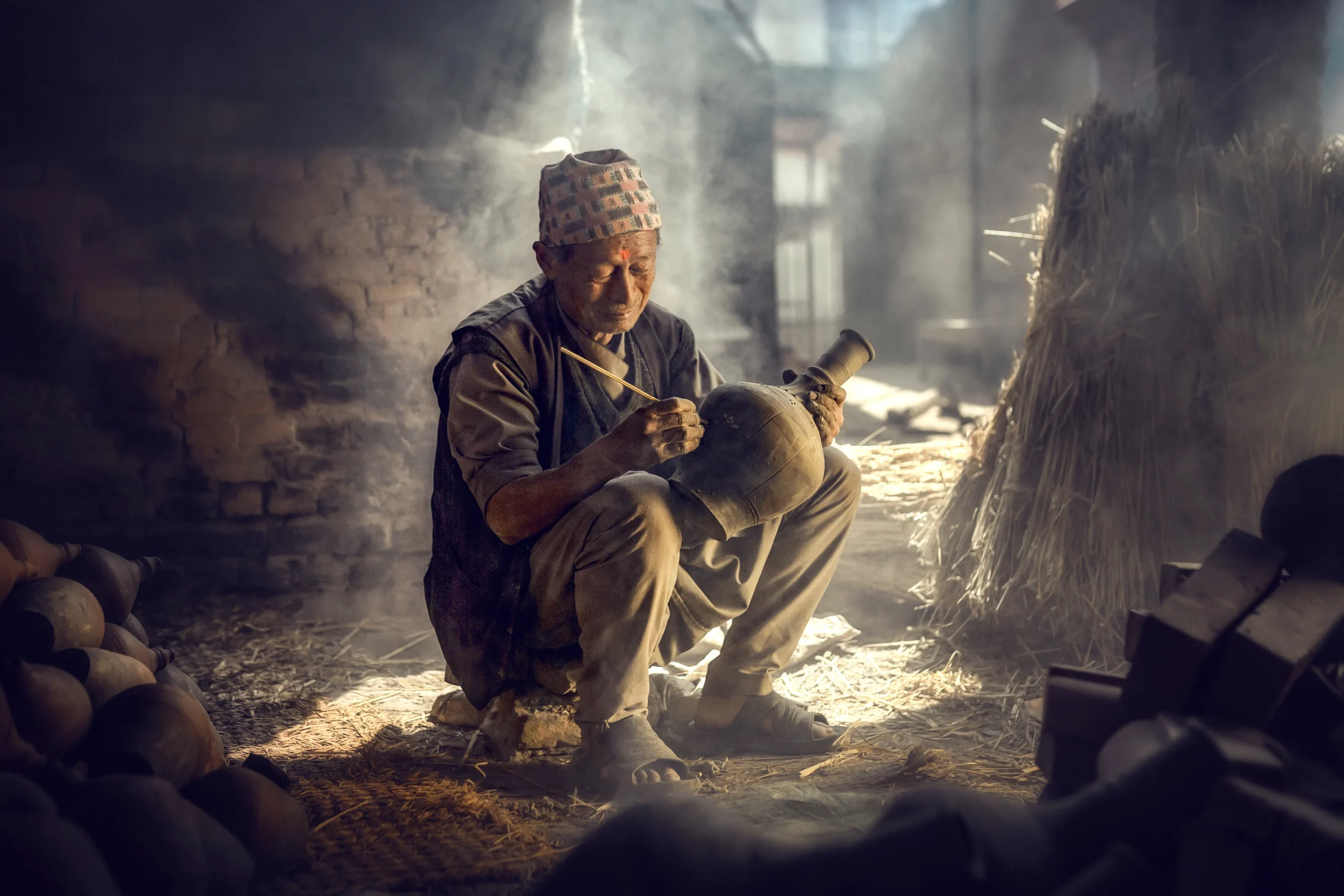
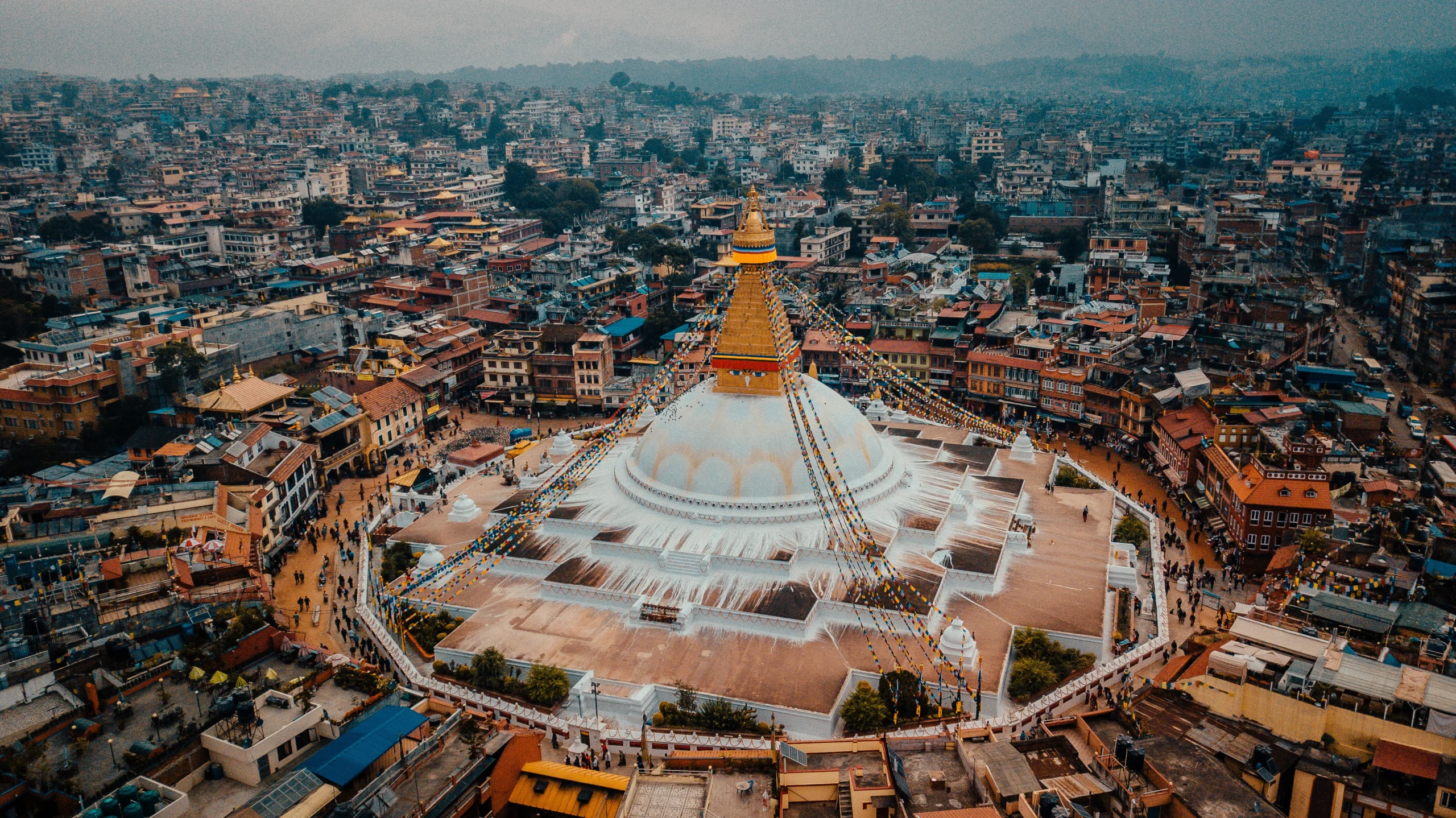
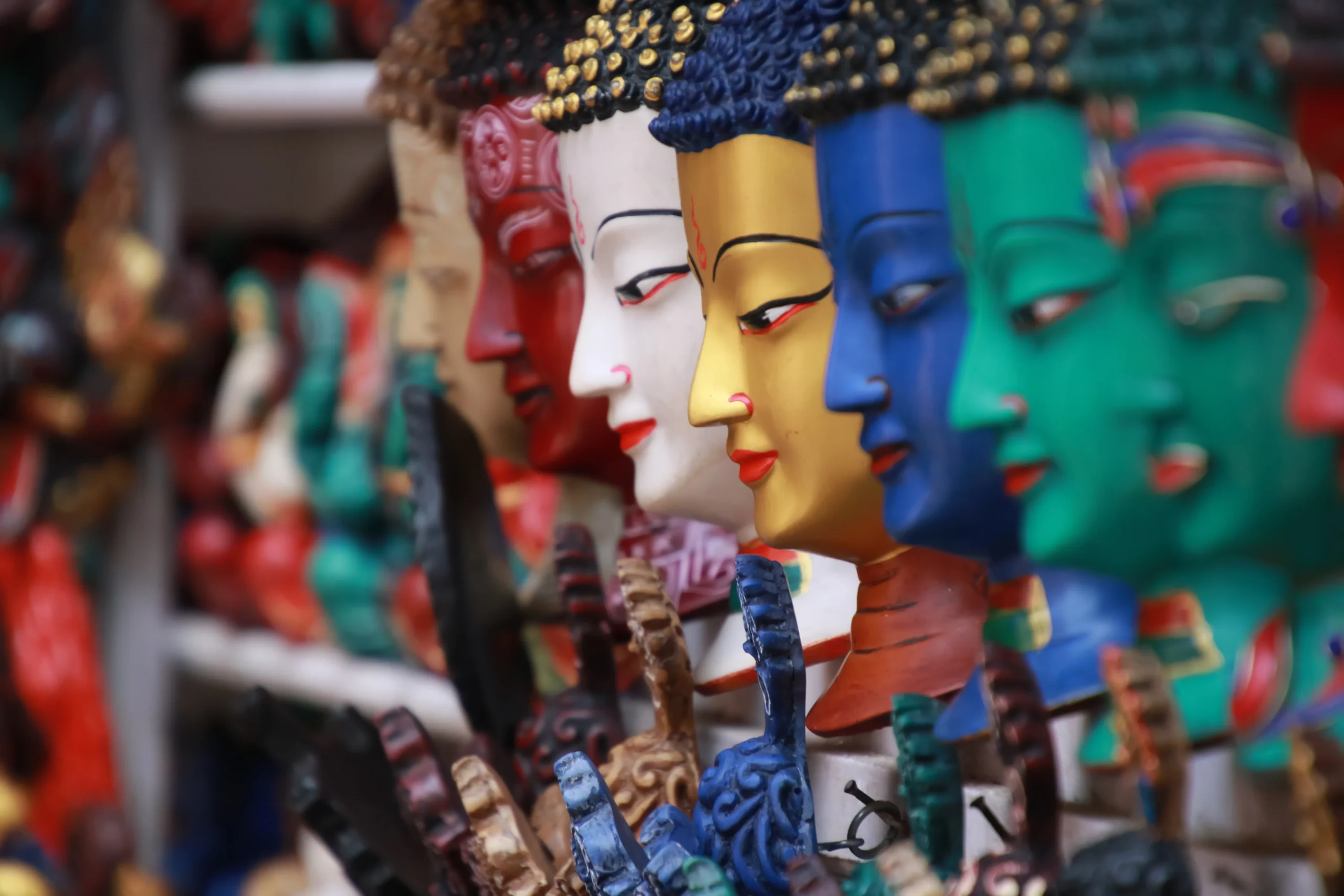
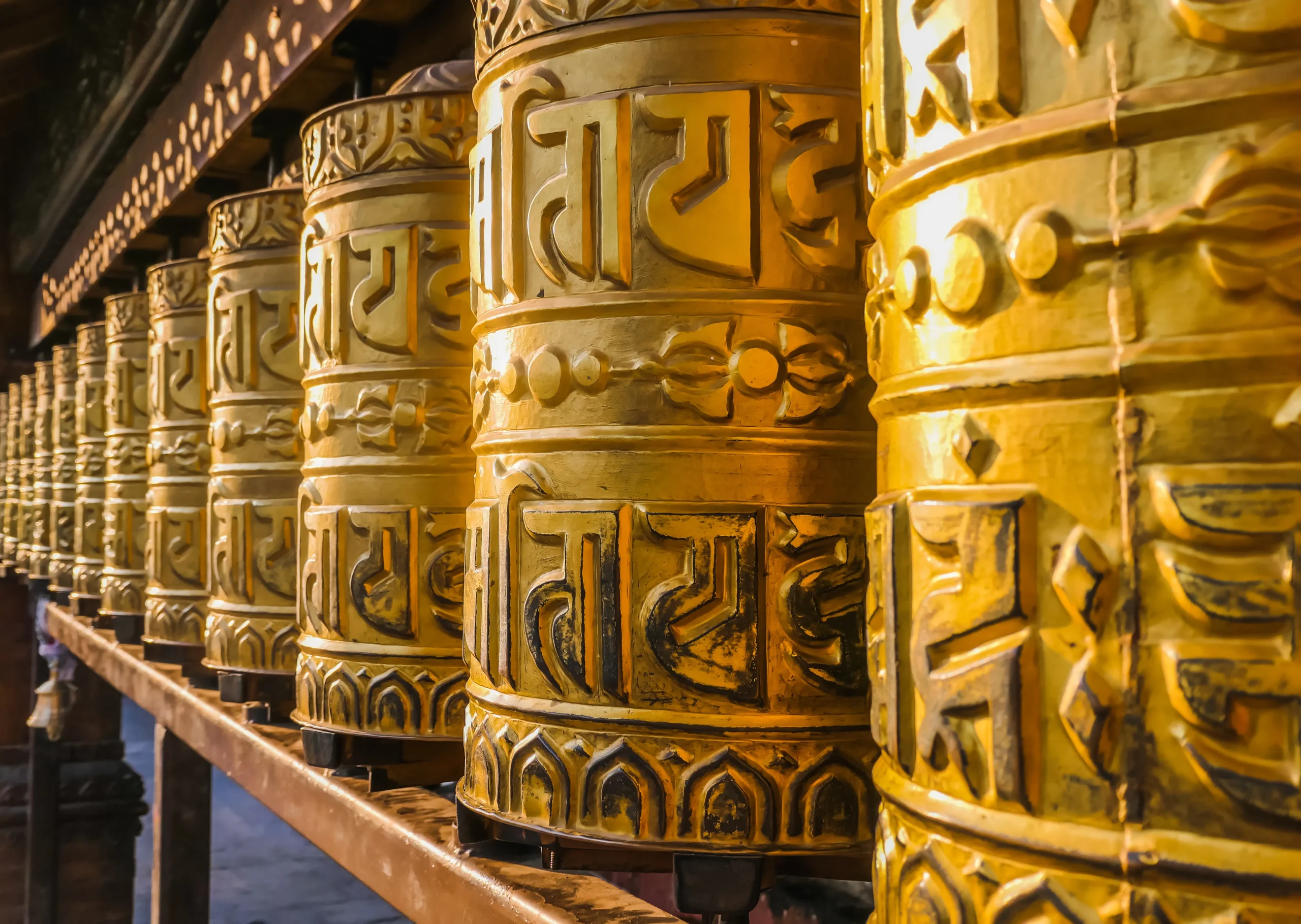
The Kathmandu Valley is the living heart of Nepal’s cultural legacy. This region is home to three ancient kingdoms—Kathmandu, Patan, and Bhaktapur—each a UNESCO World Heritage Site. Our curated experiences immerse your clients in a world of intricately carved temples, bustling artisan squares, and timeless traditions. They can explore the spiritual devotion of local communities and witness ancient rituals that have been practised for centuries.
The Himalayas:
Awe-Inspiring Vistas
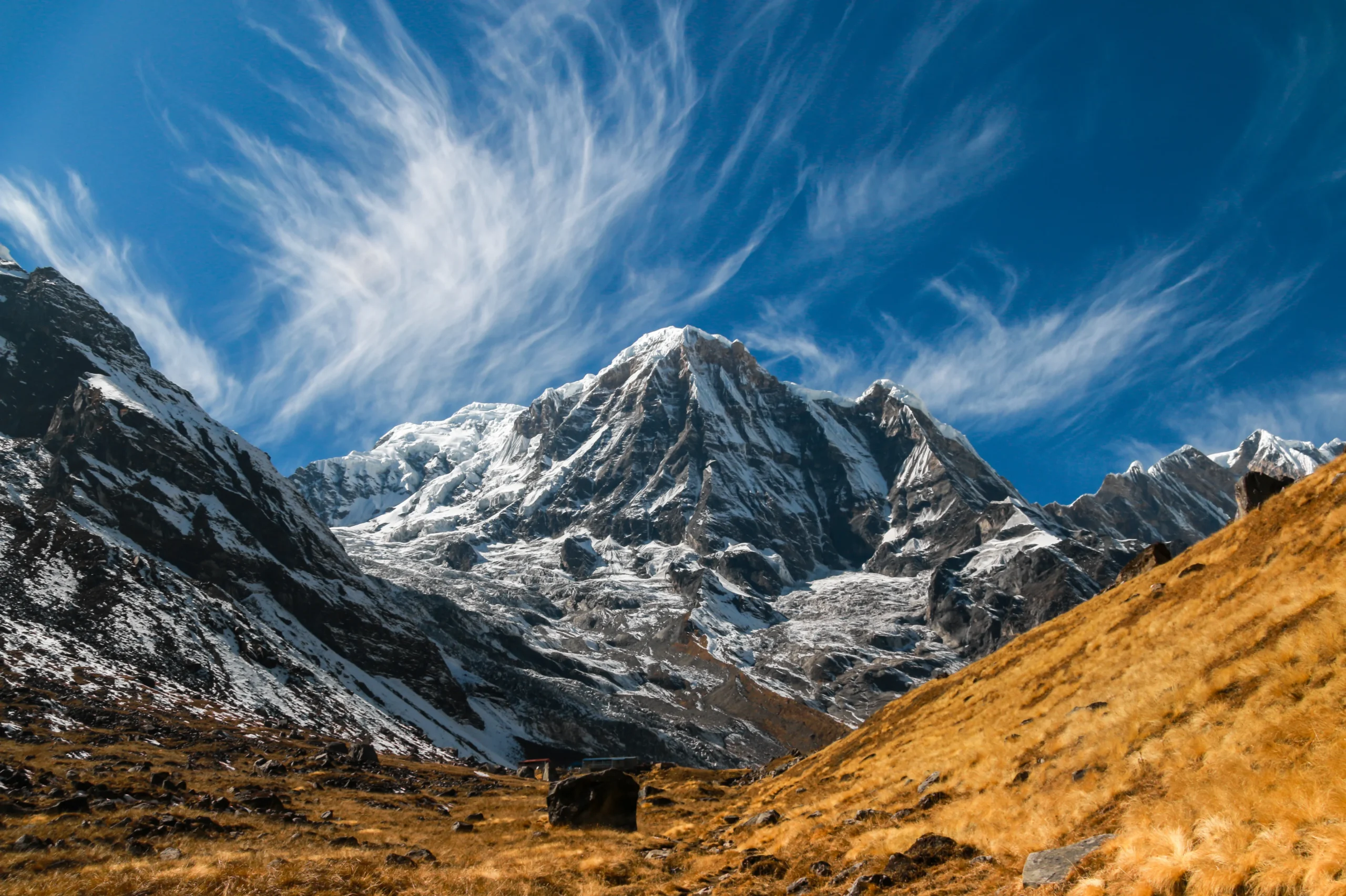
No journey to Nepal is complete without experiencing the Himalayas. While trekking is a hallmark of the region, we specialise in curating luxurious, non-trekking experiences that bring clients face-to-face with the world’s highest peaks. We arrange scenic mountain flights and helicopter tours for unparalleled aerial views of Mount Everest and the Annapurna range. Our itineraries offer a blend of adventure and comfort, with stays in secluded mountain lodges that provide a serene sanctuary.
Terai Lowlands:
The Jungle Heart
Central India is the nation’s wild and historical heartland. This is the domain of the majestic Bengal tiger, with its renowned national parks like Satpura, Bandhavgarh, Kanha, Panna, and Pench—the land of Rudyard Kipling’s Jungle Book and the Famous Tadoba Andhari Tiger Reserve, also known as the Jewel of Vidharba. We craft itineraries that go beyond iconic sightings to reveal a diverse array of wildlife and a vibrant ecosystem.
Beyond the wild, the region holds timeless wonders, from the intricate stone carvings of the Khajuraho temples and the magnificent Gwalior Fort to the historical palaces of Orchha and the ancient Stupas of Sanchi. This unique blend of thrilling natural encounters and profound historical exploration allows you to offer your clients a truly immersive journey into the soul of the subcontinent.
Nepal's Travel Tips & Useful Information
A journey to Nepal is a profound experience, blending majestic landscapes with a rich spiritual heritage. To ensure your clients’ trip is seamless and stress-free, here is some essential information.
Essential Travel Tips for an Unforgettable Nepal's Adventure with Tigerwalah Luxe
Visa and Immigration
A visa is required for most foreign nationals visiting Nepal. The most convenient option is obtaining a visa on arrival at Tribhuvan International Airport (TIA) in Kathmandu. It is also possible to obtain a visa from a Nepalese embassy or consulate in advance. A passport valid for at least six months is required.
- Currency: The Nepalese Rupee (NPR) is the local currency.
- Credit Cards: Major credit cards are accepted in most hotels, upscale restaurants, and larger shops in major cities like Kathmandu and Pokhara. Cash is essential for purchases in smaller towns and rural areas
Currency and Money
- Voltage– The standard electricity voltage in Nepal is 230 V with a frequency of 50 Hz.
- Telephone Code– The telephone country code for Nepal is +977.
- Popular Cell Carriers – NCell, Nepal Telecom ( NTC)
Key Practicalities
Language
The official language is Nepali. English is widely spoken in all tourist areas, hotels, and restaurants. In the Himalayan trekking regions, many guides and lodge owners also speak some English
Nepal’s climate is highly varied due to its dramatic change in altitude.
- Autumn (September to November): This is the most popular time to visit. The weather is clear and dry, offering spectacular mountain views.
- Spring (March to May): This is the second-best season, with warm weather and blossoming rhododendrons, perfect for trekking.
- Monsoon (June to August): Travel is possible, but trekking conditions are challenging, and flights can be disrupted.
- Winter (December to February): The weather is cold at higher altitudes, but the skies are clear for mountain views
Climate and Best Time to Visit
Health and Safety
- Drinking Water: Advise clients to drink only bottled or purified water.
- Altitude Sickness: For high-altitude treks, it is essential to acclimatise properly. A slow ascent is key to preventing altitude sickness.
- Vaccinations: Clients should consult a doctor for recommended vaccinations before travel.
Cultural Etiquette
- Religious Sites: When visiting temples and shrines, clients should wear modest clothing that covers shoulders and knees. Remember to remove shoes before entering.
- Respectful Gestures: The traditional greeting is “Namaste,” which is accompanied by a gentle bow with palms together.
- Using Hands: The right hand is considered pure and should be used for eating and giving/receiving things. The left hand is considered unclean.
Wi-Fi and Connectivity
Wi-Fi is available in all but the most remote hotels and cafes in urban and tourist hubs. For constant connectivity, a local SIM card can be easily purchased upon arrival. In trekking regions, Wi-Fi is often available but can be slow and unreliable